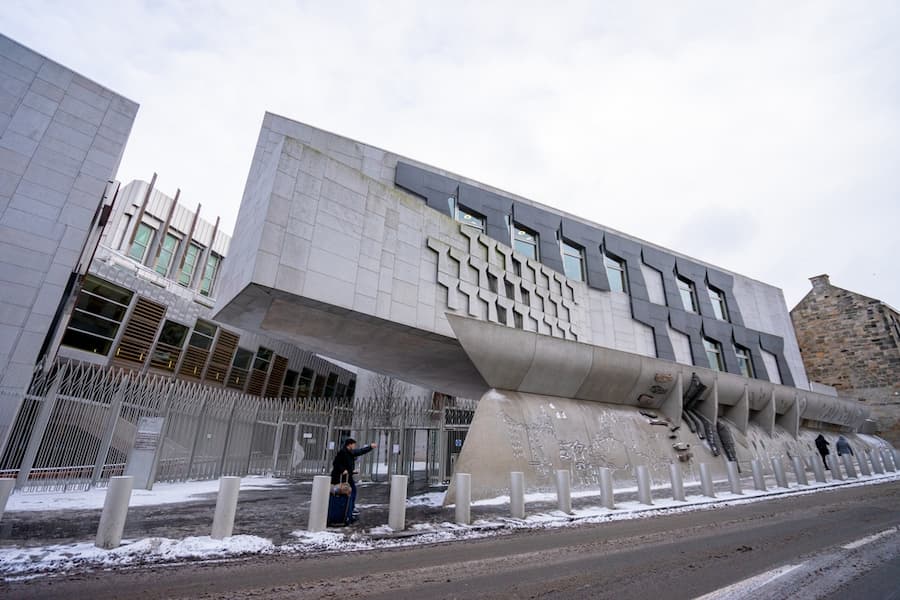

Scotland has become the first country in the United Kingdom to legalise water cremations through a process called alkaline hydrolysis, following in the footsteps of the Republic of Ireland and the USA in offering a third burial option alongside burial and cremation.
The move follows a 2023 consultation examining new funerary methods, in which 84% of respondents indicated they were in favour. The first water cremations are planned for the summer of 2026, subject to crematoria and funeral operators obtaining planning permission and getting the green light from Scottish Water to discharge the liquid.
The process involves wrapping a body in biodegradable materials, such as silk or wool, before being placed in a steel pressurised chamber. The sealed chamber is filled with a liquid comprising 95% water and 5% alkaline solution before being heated to a maximum of 150C. The process speeds up natural decomposition and the body is broken down over the course of three to four hours. The liquid is then cooled and discharged, before the bones are dried and pulverised and returned as ash not too dissimilar to the results from a cremation.
The process is said to be much more environmentally friendly, producing up to seven times less CO2 emissions as cremation.
Commenting on the news, Jenni Minto, Scotland’s public health minister, said:
“The choices people make about their remains prior to death are deeply personal, shaped by individual values, beliefs and the wishes of their families.
“Hydrolysis offers a new, environmentally friendly alternative to burial or cremation, responding to significant public support for greater choice, and it will be the first new option available for over 120 years.
“The process will be subject to the same assurances and regulatory requirements as existing methods, giving bereaved families confidence that their loved ones are treated with care, dignity and respect.”
The Law Commission in England and Wales undertook a review of Burial, Cremation and New Funerary Methods in 2023, specifically looking at new funerary methods last year. It identified the option for a third method identifying alkaline hydrolysis and human composting, which involves keeping a body in a controlled environment so remains are broken down into soil much more quickly than in a burial, as an alternative to currently available options.
That consultation closed in September 2025 but there has been no final report or any recommendations as yet. Existing legislation leaves the introduction of potential new funerary methods unclear, the Law Commission said.