


Theresa May has announced that heterosexual couples in England and Wales can now legally enter into a civil partnership rather than marriage.
For many, the institution of marriage represents gender inequality. For years the idea of dowries involved in marriage portrayed women as property being handed from father to husband. The thought of entering an institution with such unequal connotations has prevented them from formally declaring their love and commitment to their partner.
The new law comes off the back of a Supreme Court ruling that decreed the Civil Partnership Act 2004 as incompatible with EU convention on Human Rights.
However, entering into a civil partnership offers the couple concerned and their families a lot more than an alternative to marriage. A myriad of additional legal protections will also be available to those entering into a civil partnership.
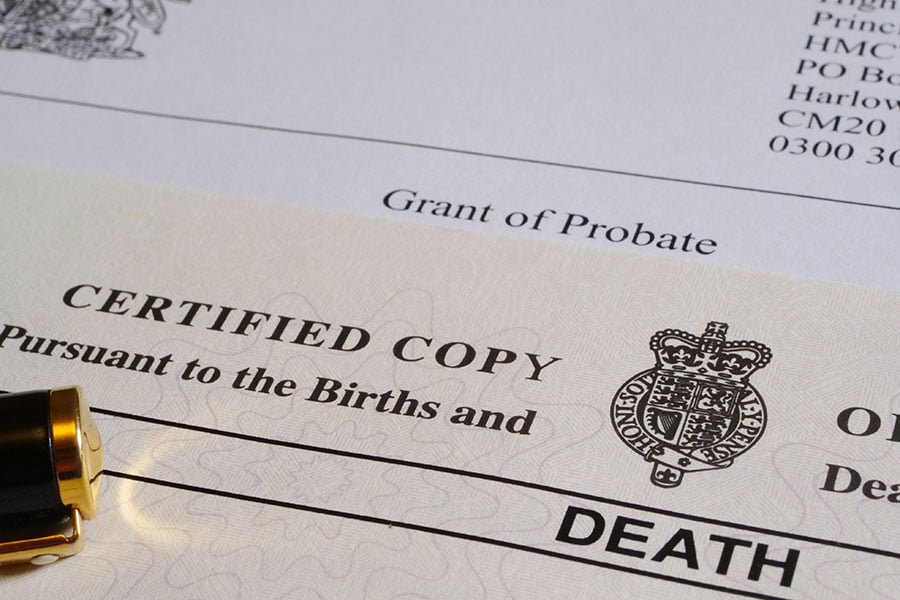
To the 3.3 million couples that co-habitate but may not see marriage in their future, this could be a welcome relief. Under the previous system, those co-habitating outside of marriage may have lost rights to inheritance, pensions and even the property they shared with their partner if one of them died.
Theresa May, Prime Minister, said: This change in the law helps protect the interests of opposite-sex couples who want to commit, want to formalise their relationship but don’t necessarily want to get married.
“As home secretary, I was proud to sponsor the legislation that created equal marriage. Now, by extending civil partnerships, we are making sure that all couples, be they same-sex or opposite-sex, are given the same choices in life.”
Christina Blacklaws, Law Society president said: “We have been in favour of extending civil partnerships to opposite sex couples for a long time. That’s because we support the principle of non-discrimination on grounds of sexual orientation. So, we’re pleased to see the government is responding to recent judge-led decisions highlighting the need for changes in the law to reflect 21st century society in this country.
“The law needs to catch up with, and reflect, the multiple ways in which people choose to live their lives today. We are absolutely in favour of a review of all areas of the law affecting civil and religious contracts/marriages/partnerships.”
Whilst the Equalities minister Penny Mordaunt has stressed that there are “a number of legal issues to consider, across pension and family law” and that changes to legislation will happen “as swiftly as possible,” there will be many families in the interim that may be negatively affected by these restricted issues.
Although this legislation will help a lot more people, the issues for siblings sharing property, or even people in partnerships outside of marriage and civil partnerships could still suffer injustices when it comes to inheritance issues.
Do you think the recent changes to civil partnerships go far enough? Should civil partnerships be offered to co-habitating siblings?













3 responses
Can anyone tell me the difference between marriage and civil partnerships please. As both need dissolving if you want to end them, and with marriage apppying to all sex relationships, I genuinely don’t understand the difference and would be keen to understand from those considering a civil partnership over marriage.
Thanks in advance.
Civil partnerships don’t assume a sexual relationship. There’s no concept of consummation, and if I recall correctly, you can’t dissolve a civil partnership explicitly on the grounds of adultery – it would have to be “unreasonable behaviour”.
I think the idea is that marriage is seen by some as treating women as property. There are also religious connotations