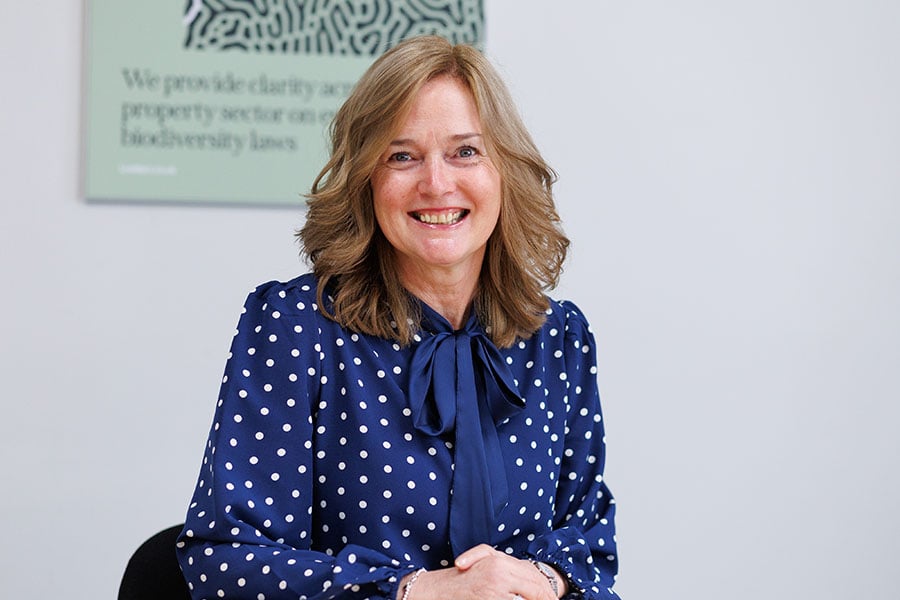
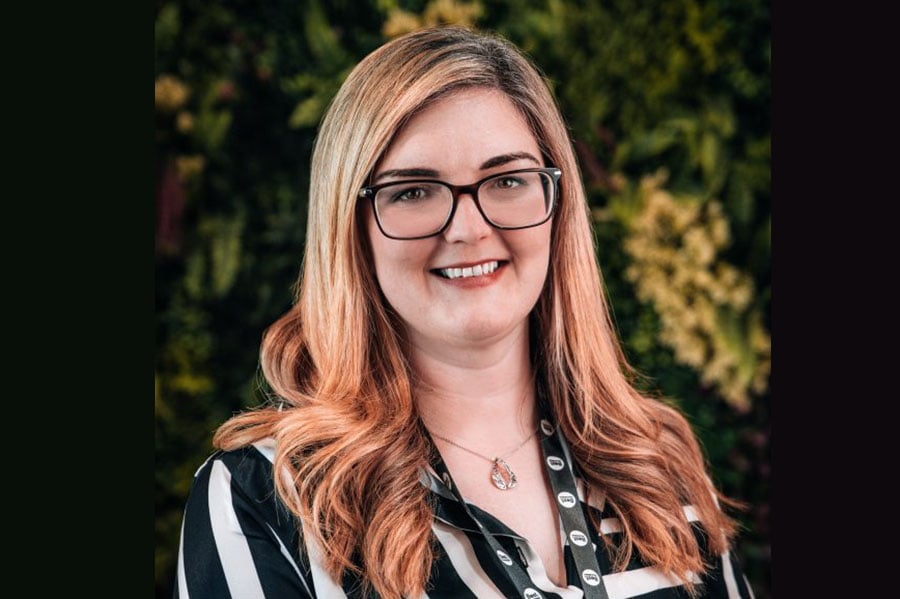
Daniel Curran is Managing Director of probate genealogy experts Finders and a leading figure in the heir hunting industry. He chatted to Jane Common about why it’s such an interesting sector to work in and his role on the BBC1 series Heir Hunters, which starts filming a new series this autumn.
How did you get into probate genealogy Daniel?
“I knew someone in the business so I was introduced to it that way — I worked for a company for seven years and then, in 1997, I set up Finders. I was a sole trader initially and now the company has about 60 staff with our international headquarters in Shoreditch and offices in Edinburgh and Dublin.”
How has the company grown?
“Initially we worked purely with lawyers — there’s a very solid legal base to all our research — and we didn’t undertake much speculative work. So it was lawyers coming to us saying they had missing or unknown heirs to an estate and requesting our help in finding them.
“Then that expanded to working with the public sector. With lawyers, we’re paid a fee or we work on a commission-fee basis. But with the public sector — coroners’ councils and hospitals, for example — we work for free on cases up to the value of £5000. For cases involving larger sums we ask the beneficiaries to pay us a small proportion of their inheritance, but only on successful completion
“And, now, we can help private individuals as well, so that’s often someone who has a friend or neighbour who’s passed away and wants to find their relatives. We also give advice to the public in cases where someone has been informed that they’re an heir to an estate and want to know how to verify that or are seeking an alternative company to represent them.”
What do you love about the job?
“There’s an element of being a private detective and there’s the genealogy side too so it’s interesting and every case is different. As for the families’ stories — well they’re often fascinating.”
What’s been your most interesting case so far?
“There was an amazing case just recently — two boys separated at birth under a forced adoption in Ireland. We read about how one brother was looking for the other and as we’d just opened our Dublin office we followed it up and decided to help — as well as being a nice thing to do it, it was good PR for us. And we did it — we found the man’s brother and re-united the pair, now 78 and 80 years of age. Stories like that — well, they’re wonderful.
“Another interesting case came through lawyers who were in touch with the relatives of a deceased English woman whose father, according to her birth certificate, was Italian. But he’d disappeared — there was no trace of him. So we got on to it and tracked him down and learnt his story — he’d fathered a daughter when he was a prisoner of war on a farm in England and then returned to Italy where he married and had subsequent children, eventually dying in the 1970’s.
“After tracing him, it was a matter of tracking down his children and I then had a meeting with them in Rome where, through a translator, I explained that their dad had a daughter in England. They weren’t even aware that she existed so it was bittersweet — sweet because they’d inherited quite a large estate but there was a sadness there too as they’d never had the opportunity to meet their relative.
“With European cases, like that — and international cases — we work with companies across the world in the heir hunting field. And we now have a specialist Italian researcher in-house.”
How did you get involved with the BBC1 television show Heir Hunters?
“They knew about us right when the show first aired eight years ago and asked us to be involved but we said no as we were a growing company and it was too much of an intrusion on our work. But, a couple of years ago when things were calmer, we decided to join in — on the proviso that we’d only do it if we were prominent. So, in the last series, we were featured in 15 out of 20 shows and we’re involved in the next series too, which starts filming in September.
“It’s a fly on the wall documentary, I suppose, showing the mechanics of what we do but the producers fill in the social history too so there’s always a heart-warming (or tragic) story about a family. It hasn’t brought in more work, as such, but it is useful for members of the public as a point of reference. People trust us because they’ve seen us on the BBC!
“The flipside of that is that some people watch the show and fancy having a go at heir hunting themselves — and believe me, the mess someone who doesn’t know what they’re doing can make of an estate is crazy.”
On that note, do you think the probate genealogy industry needs some form of regulation?
“Yes, this is an unregulated business and that’s a problem — definitely. We have tried to press for regulation — when the Jackson report was being compiled we spoke to the researchers to see if there could be any regulation in our industry and were given a flat no. We spoke to our local MP, too, and the answer was the same. The general feeling is that this industry isn’t that big — worth less than £30m in total turnover a year, let’s say — and therefore the government isn’t interested in setting up an independent regulator.
“So at Finders International we have our own Professional Conduct Code and we’re members of an awful lot of societies and organisations that have conduct guidelines. We have ISO accreditation too and, twice a year, we’re independently audited so that people know they can trust us.
“I’m carrying on asking questions, though, because, to my mind, there really are areas that need tightening up. Recently I’ve been talking to the government department — Bona Vacantia — that deals with claims on estates with a value of over £500. If an individual puts a claim in to the Crown on behalf of the next of kin, a Bona Vacantia departmental official simply asks where to send the money — and a cheque is posted, regardless of who that person may be! That’s hugely dangerous — the opportunities for fraud are enormous there.”
How do you think the probate genealogy industry will change over the next few years?
“There may be an increase in work as we have an ageing population and there’ll be a growth in international cases as families disperse and move around more than they did years ago. Then there’s the prevailing threat of legislation the government might bring in to limit access to databases — data protection legislation. But that’s been a concern for as long as I’ve been in the industry. And the job of being an heir hunter will turn into more of a young person’s role as it becomes increasingly computer-based. We used to have to haul around big books of births, deaths and marriages — like over-sized telephone directories — at St Catherine’s House and Somerset House but now so much of the work can be done on the Internet.”
For more information about Finders International, log on to www.findersinternational.co.uk